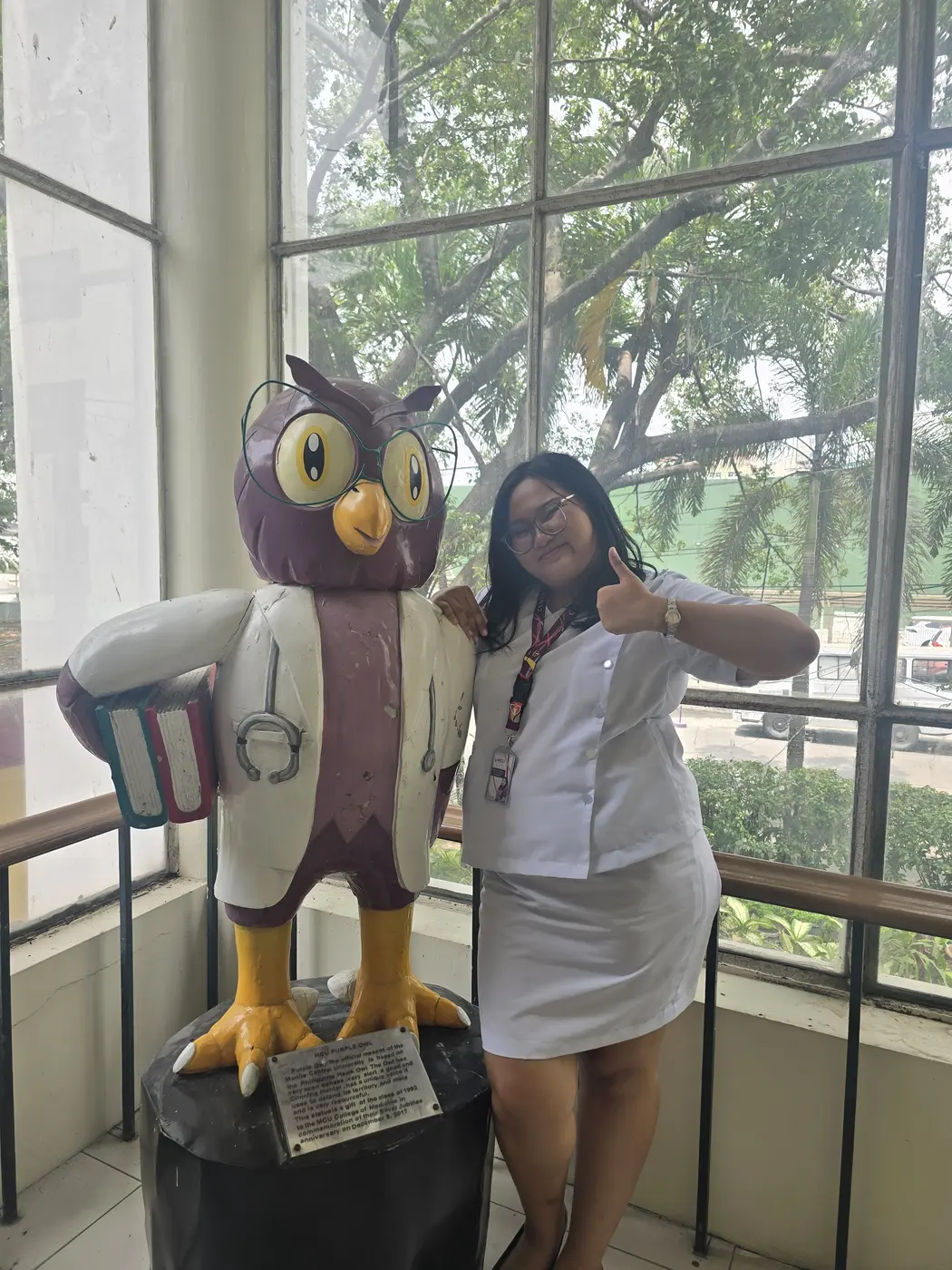
A path once chosen for me became a calling I chose for myself.
My story is not particularly distinct or extraordinary. It began much like many others. I grew up with Asian parents who wanted to have a doctor in the family. At first, Medicine felt like a path already laid out for me rather than one I had completely chosen for myself.
That decision became my own when I became a Nursing student. Through Nursing, I realized there was nothing I found more interesting or fulfilling than healthcare. I genuinely enjoyed interacting with patients, caring for them, listening to their stories, and knowing that, even in small ways, I could make their experience a little better.
Eventually, I wanted to understand their conditions more deeply, take a greater role in their care, and someday make decisions that could change the course of their health. Medicine became more than something my parents wanted for me. It became something I wanted for myself.
I know becoming a doctor will not be easy, especially as someone who has always considered herself an average student. There will be struggle, doubt, and questions about whether I can reach the end. Still, this path gives my life more meaning. Beyond titles and achievements, I hope to look back and know that I made a difference in the lives entrusted to my care.
CareUnderstandingPurpose
FOUNDATION
02Education and license
From Nursing to Medicine
Prepared to care. Ready to understand more.
Bachelor of Science in Nursing
Centro Escolar University Makati
Batch 2025
Registered Nurse
Philippine Nurse Licensure Examination
Board passer
Doctor of Medicine
Manila Central University
Year Level 1
One journal, two seasons of growth
Follow the journey.
Choose a term to explore my learning journal and closing reflection.
03Learning journal
Eleven entries · July to September 2026
Still learning the curve.
Each entry holds the confusion, humor, small breakthroughs, and hard-earned progress that shaped my preliminary journey in Biochemistry. Select a chapter to read the complete reflection.
03My Midterm Biochemistry Journey
Midterms 2026 / Chapters 11–20
Growing a little stronger.
MAJOR UPDATE! I don't know what miracle happened, but I PASSED MY PRELIM GRADES! Tbh, sabit lang, but HEY, SABIT IS SABIT! After all the struggles, failed quizzes, and breakdowns, I finally saw some progress.
Hopefully, I can keep this momentum going throughout Midterms!
Small group discussions, activities & exam reflection
Where the lessons became real.
SGD 1 / A Silent Vehicle Accident
From nervous to actually enjoying the discussion!
04Photo gallery
Care beyond the classroom
The moments that made service real.
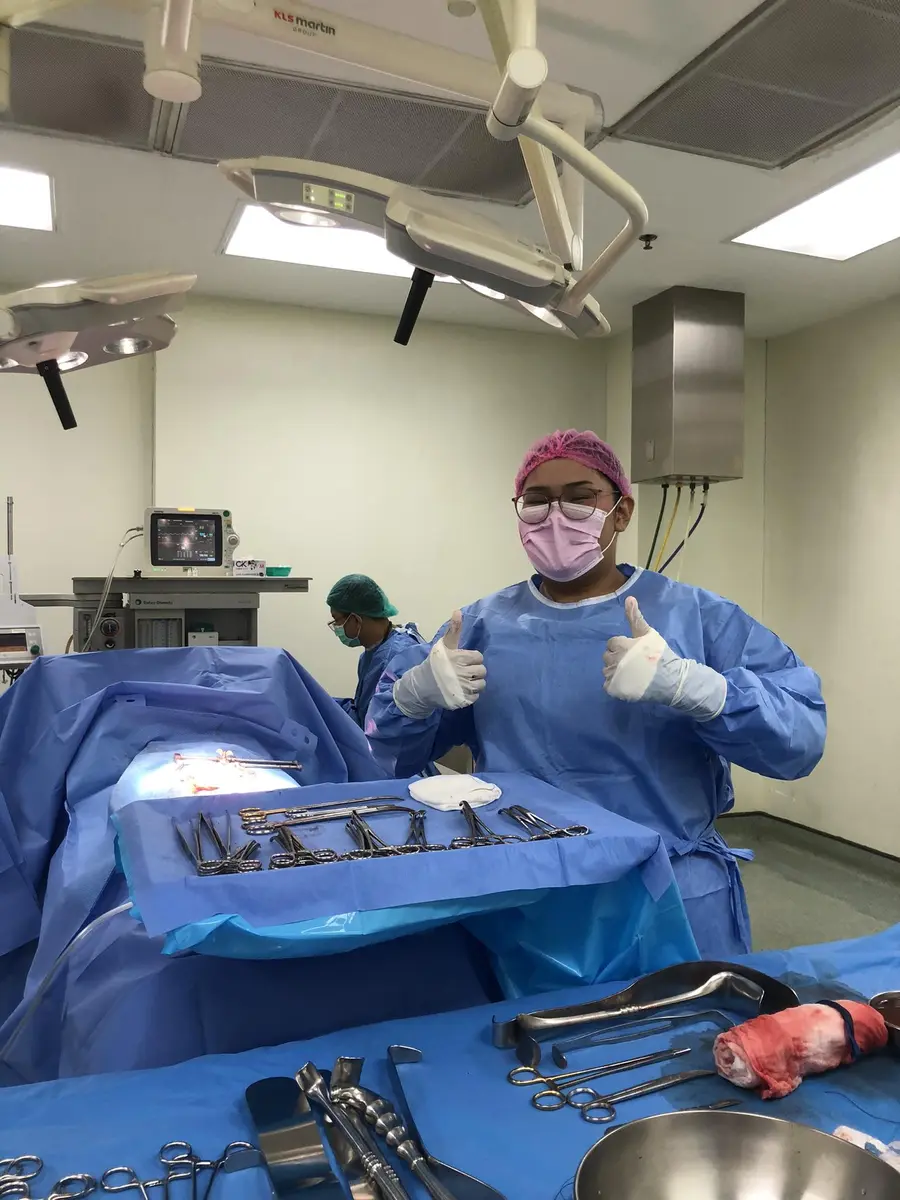
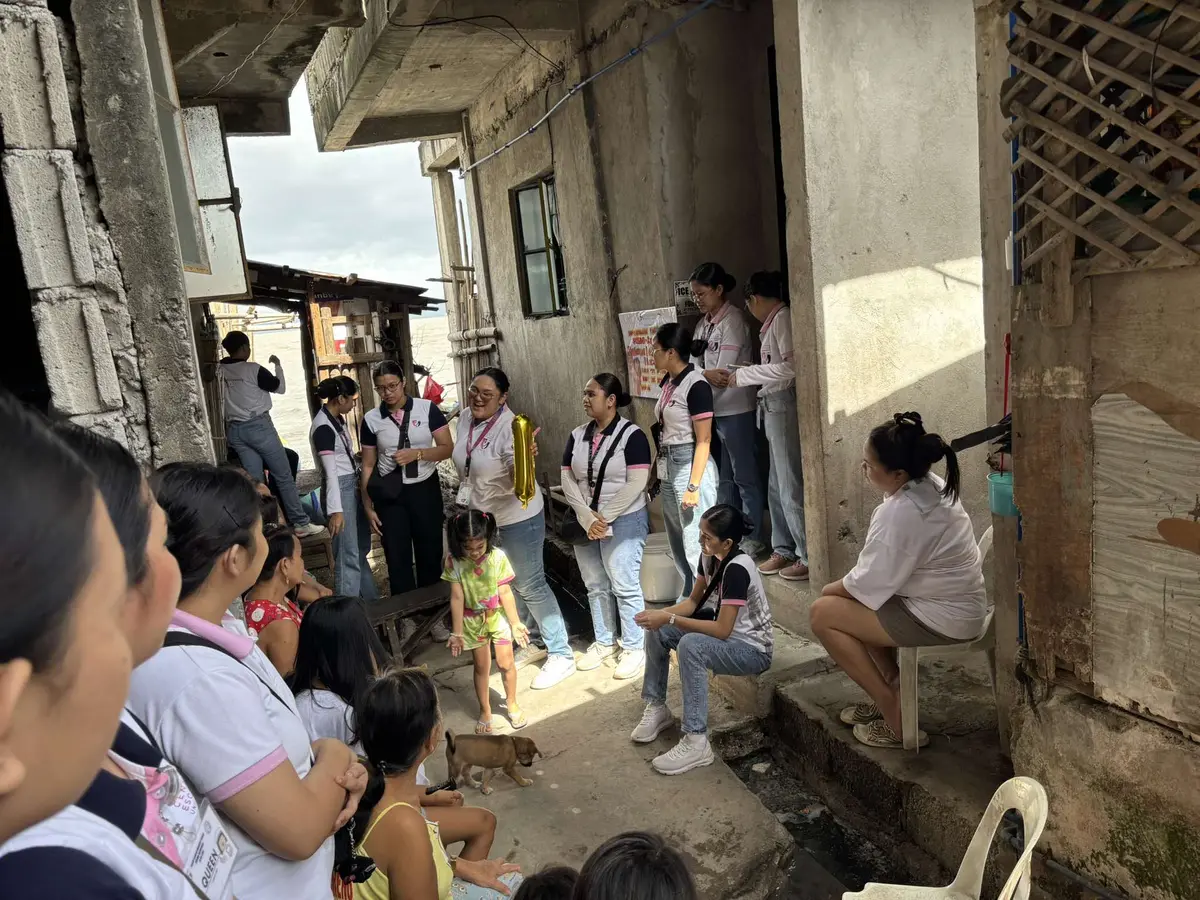
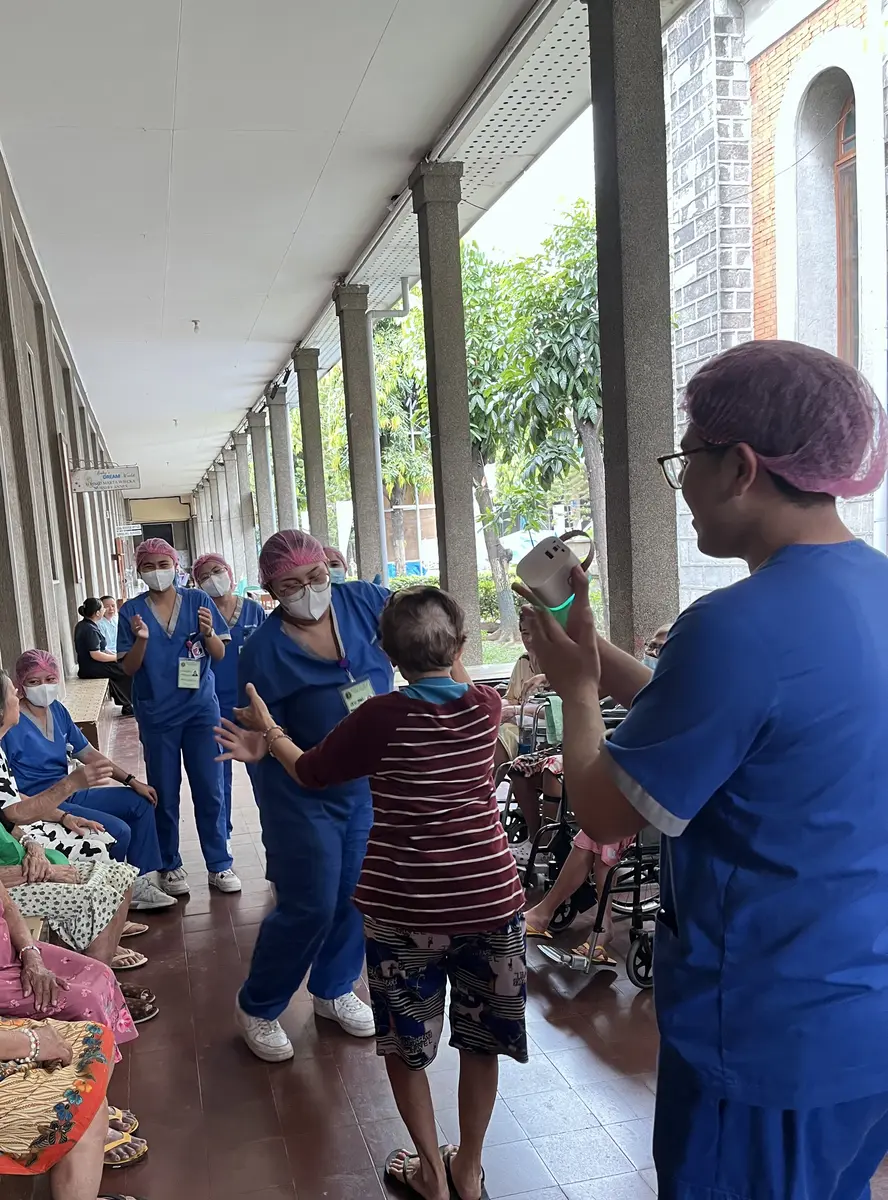
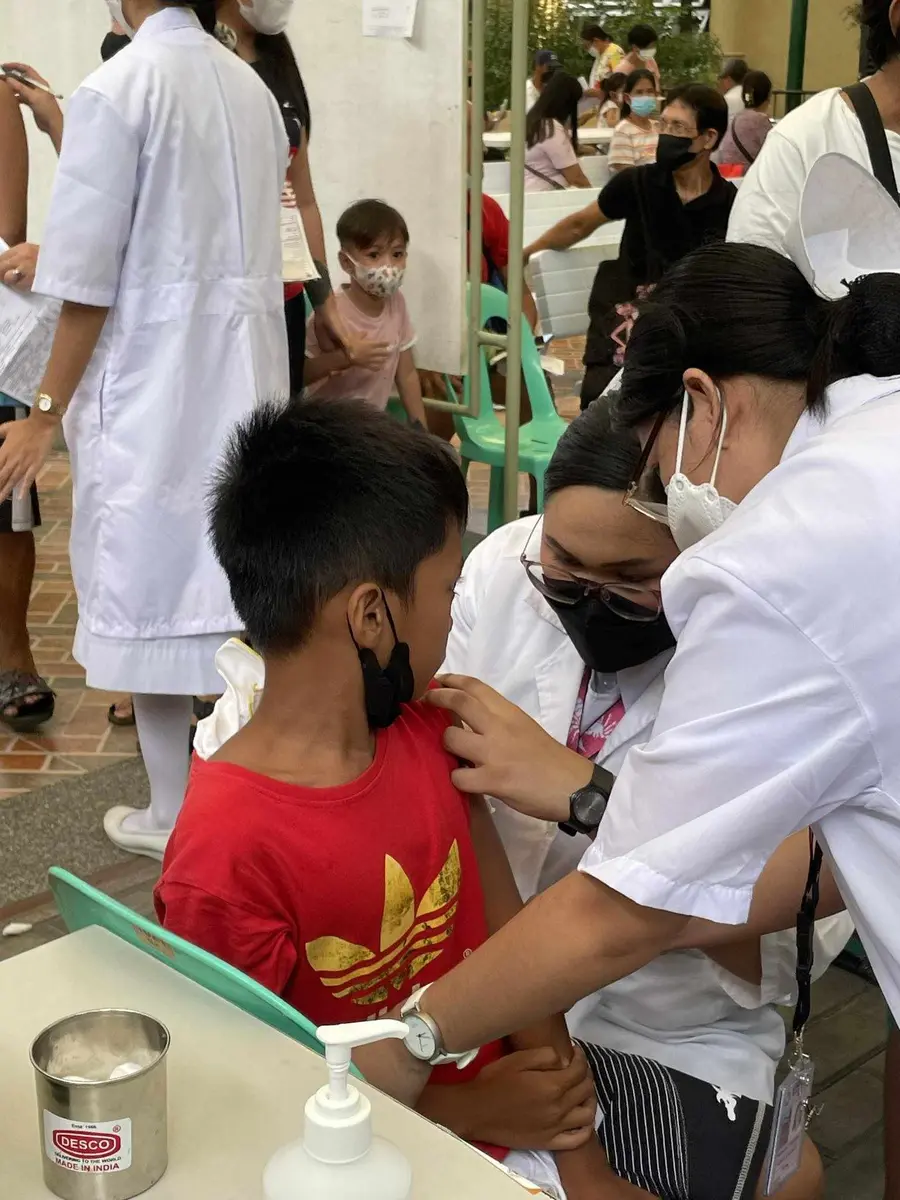
These photographs hold a few of the places where learning became action. From clinical exposure to community care, each frame reminds me that healthcare is shaped not only by what we know, but by how willingly we show up for others.
Clinical learningCommunity connectionService in motionCare in practice
05Closing reflection
Struggling does not mean I am not growing
Understand the basics. Connect the concepts. Build from there.
To end this journey, I sincerely thank the Biochemistry faculty, most especially Doc A, for taking the time to teach, guide, and review us even during the wee hours of the night. Your patience and effort were truly appreciated and, honestly, a lifesaver.
I also thank my friends for pushing me to study harder, patiently explaining concepts whenever I could not understand them, and constantly encouraging me to become better. The difficult lessons became more bearable because I knew I was not struggling alone.
Looking back, I went from not understanding a thing, crying over enzyme kinetics, and repeatedly not passing quizzes, to slowly approaching the cutoff and eventually passing my Prelim Exam. I learned that growth does not require knowing everything immediately.
“I do not have to know everything to work with what I know. Understand the basics, connect the concepts, and build from there.”
I know this is only the beginning. There are more molecules, pathways, quizzes, and probably a few more breakdowns ahead. If Prelims taught me anything, it is that struggling does not mean I am not growing.
Here is to struggling again this Midterm, and hopefully coming back a little stronger.
05Still Growing, Still Blooming
Closing reflection / Midterms
A Little Progress Is Still Progress
And just like that, another chapter of my Biochemistry journey comes to an end!
GHORL, WHAT A ROLLER COASTER! From crying over metabolic pathways, struggling with quizzes, surviving reports, and even having my little mental health night swim after failing my long exam—this midterm season was definitely something!
But looking back, I realized that I've grown more than I expected. I learned that I understand concepts better when I draw, write, and connect them to real-life clinical situations. I also realized how lucky I am to have friends who patiently help me whenever I'm struggling. And of course, I'm grateful to our Biochemistry professors for continuously guiding us through these challenging lessons.
I'm still far from being the student I want to become, and honestly, there are still days when I question whether I'm doing enough. But one thing I've learned is that progress isn't always measured by passing scores. Sometimes, it's simply understanding something that once made you cry.
As I always remind myself:
“I may not be the smartest in the room, but at least I'm already in the room.”
And for now, that's enough reason to keep going.
Here's to more learning, fewer breakdowns (PLEASE LANG), and hopefully better grades next time!
Still growing, still struggling, but slowly blooming.
Chapter 1 · July 23, 2026
Introduction to Biochemistry
If I am going to be honest, Chemistry has always been my kryptonite, even back in senior high school. Hearing that I would have to take Biochemistry made me anxious. Surprisingly, I was proven wrong. The chapter was much more digestible than I expected. It was not exactly easy, but I finally understood concepts that used to be so difficult for me. I was also thrilled to learn that I would not have to “balance out” electrons anymore.
It also helped that we were discussing cells and organelles in Histology at the same time. I could correlate those lessons with Chapter 1 of Biochemistry, making the concepts feel less isolated and much easier to understand.
I left the lesson genuinely happy. It may have been only the beginning, but for someone who had always been intimidated by Chemistry, understanding the lesson gave me confidence that Biochemistry might not be as scary as I thought.
Core memoryMaybe Biochemistry is not my kryptonite after all.
Chapter 2 · July 24, 2026
Water and pH
Who knew water could be that complex? When I first studied this lesson, I was honestly in awe, not because I understood everything, but because I could not understand a thing at all.
Before this chapter, I only knew that hydrophobic meant something “hates water.” I never understood why. Eventually, I learned that nonpolar molecules do not interact favorably with water. In my own way of remembering it, “hindi sila vibes!” Water molecules interact with one another and become more ordered around nonpolar molecules, encouraging the nonpolar molecules to cluster together. A term I had only memorized finally started to make sense.
I almost cried because of this lesson. It took time to understand, and I genuinely felt frustrated. I am thankful for my friends, ChatGPT, and Doc A for patiently explaining the concepts until they started to click.
I did not pass the quiz, and I was not surprised because I knew how much I had struggled. Still, I did not want a failed quiz to be the end of the chapter. It showed me which concepts I had not fully understood and where I needed to return. Not passing did not mean I learned nothing. It meant I still had more learning to do.
Core memory“Hindi sila vibes!”
Chapter 3 · July 29, 2026
Amino Acids and Peptides
I knew this chapter would not be easy, but I was genuinely crying after the lesson. Looking at all the figures and structures made my stomach turn because I felt like I knew nothing. Most of them were new to me. I knew proteins were made of amino acids and were important in the body, but I did not know they could be so intricate and complex. It felt like listening to a foreign language I could not decode.
Eventually, that language started to make a little more sense. I learned that the central carbon is the alpha carbon, while the R group or side chain makes each amino acid unique. Different side chains give amino acids different chemical properties, influencing how they behave and contribute to protein structure and function.
It may sound simple now, but being able to look at an amino acid structure without immediately panicking felt like progress. I did not understand the whole language yet, but I was beginning to recognize some of the words.
Core memoryThe R group gives an amino acid its identity, and that identity influences how it behaves.
Chapter 4 · July 30, 2026
Determination of Primary Structure
After the previous chapter, I started reading ahead because I expected the next lesson to be difficult. To my surprise, this one was a little easier.
Protein purification techniques became easier when I translated them into simple, almost “pachika” explanations. I remembered hydrophobic interaction chromatography as “if maalat, stick; if matabang, release,” while size-exclusion chromatography became “BIG, first to go; SMALL, last to go.” They may not sound scientific, but they helped me understand the principles before returning to the technical language.
This chapter taught me that intimidating concepts become easier when I first translate them into language that feels familiar. Once I understand the story or logic, the proper terminology becomes less overwhelming.
I still did not pass the quiz, but my score was significantly higher than the previous one. Please let me live through my rose-colored lenses. It was not a passing score yet, but compared with where I started, I accepted the improvement. I could see that changing how I studied was beginning to make a difference.
Core memorySometimes I have to understand Biochemistry in my own language before I can understand it in Biochemistry’s language.
Chapter 5 · August 6, 2026
Proteins: Higher Orders of Structure
Here we go again with proteins. At this point, I realized proteins were not going away anytime soon. Thankfully, because of our previous lessons and what we had discussed in Histology, the chapter became more bearable.
A protein structure no longer felt completely foreign. I understood the alpha carbon and R group, and I was beginning to recognize the amino group, NH₂, and carboxyl group, COOH. More importantly, I started seeing how amino acids interact and contribute to different levels of protein structure.
Protein structure is not merely something to memorize. Structure is closely related to function, so disrupted structure or synthesis can lead to disease. Collagen was a meaningful example. Abnormalities affecting collagen can lead to Ehlers-Danlos syndromes, while vitamin C deficiency can impair collagen synthesis and cause scurvy.
This chapter made me appreciate how medical school subjects connect. Histology concepts that once seemed separate were helping me understand Biochemistry. I was beginning to see that our courses describe the same human body from different perspectives.
Core memoryStructure determines function, and sometimes understanding one subject helps me understand another.
Chapter 6 · August 7, 2026
Myoglobin and Hemoglobin
Thankfully, Physiology came to my rescue. We were also discussing hemoglobin and oxygen transport, so I did not enter the lesson completely clueless.
I already knew that hemoglobin is found in red blood cells and transports oxygen through the blood, while myoglobin is found mainly in muscle and stores oxygen. Hemoglobin picks up oxygen in the lungs and releases it to tissues. That foundation made the biochemical side less intimidating.
Biochemistry added the “why.” Hemoglobin has four subunits and demonstrates cooperative oxygen binding, making it suited for oxygen transport. Myoglobin has one polypeptide chain and a higher oxygen affinity, matching its role in muscle oxygen storage.
Physiology helped me understand what hemoglobin does, while Biochemistry explained why it can do it. The subjects were starting to fit together.
I was still not passing the quizzes, but I was still learning the curve. My scores had not reached the passing mark, yet I no longer felt completely lost. The grades had not caught up, but my understanding slowly was.
Core memoryPhysiology taught me WHAT hemoglobin does. Biochemistry taught me WHY it can do it.
Chapter 7 · August 13, 2026
Enzymes: Mechanisms of Action
Let us be real. I did not understand a thing during the first discussion. I was physically present but mentally trying to keep up with all the new terms. Surprisingly, I began understanding at the last minute when Doc A reviewed us, and I was grateful when things finally started to click.
A catalyst speeds up a chemical reaction without being consumed. I like calling it the “instigador” of the reaction because it gets things going. Most biological catalysts are enzymes, although some RNA molecules, called ribozymes, also act as catalysts.
I learned three general properties of enzymes: catalytic power, specificity, and regulation. Catalytic power describes how much an enzyme speeds up a reaction. Specificity determines the type of substrate it recognizes. Regulation controls when and how much enzyme activity is needed.
The lock-and-key and induced-fit models were also interesting. I once imagined enzymes and substrates as structures that simply fit perfectly. The induced-fit model showed me that an active site can adjust its shape when the substrate binds. Enzymes became less like static drawings and more like structures that actually do something.
This chapter reminded me that not understanding the first explanation does not mean I will never understand. Sometimes I need to hear a concept again in a different way.
Core memoryEnzymes are the “instigadors” of biochemical reactions. They make reactions happen faster without being consumed.
Chapter 8 · August 14, 2026
Enzymes: Kinetics
Here it goes, the subject that made me cry the most. Enzyme kinetics felt like Biochemistry had added graphs and calculations to everything I was already struggling with. Terms such as Km, Vmax, Michaelis-Menten, and Lineweaver-Burk made the lesson even more intimidating.
Doc A reviewed us the night before, and my friends helped explain the basic concepts. Little by little, I understood that Vmax is the maximum reaction velocity when an enzyme is saturated with substrate, while Km is the substrate concentration at half of Vmax. I also began recognizing how inhibitors change these values and how those changes appear in graphs.
One realization helped: enzyme kinetics is asking how fast an enzyme works and what changes that speed. Once I stopped treating every equation and graph as a separate item to memorize, the topic became slightly less terrifying.
I did not master the lesson. Far from it. Still, compared with how I felt when I first saw those graphs, I understood a little more, and a little was already progress.
Core memoryVmax: How fast can we possibly go? Km: How much substrate do we need to reach half of that speed?
Chapter 9 · August 15, 2026
Enzymes: Regulation of Activities
By this time, I was very nervous because Chapters 8 and 9 would make up a significant part of the Prelim Exam, and these were the chapters I was not fully understanding. When Doc A announced another review, I felt relief.
I began to understand that enzymes are not simply turned on and left to work. Their activities must be regulated according to what the body needs. Allosteric regulation involves molecules binding away from the active site and changing enzyme activity. Covalent modification adds or removes chemical groups to alter that activity.
Feedback inhibition also began to make sense. Rather than continuously producing something the body already has enough of, a pathway’s final product can inhibit an earlier step. In simple terms, the body says, “Okay, tama na. We already have enough.”
The concepts still were not completely comfortable, especially with the exam approaching. I still did not pass the quiz, but this time, something was different.
Turning pointThe scores were still difficult, but the logic was beginning to feel familiar.
Milestone · August 27, 2026
The Long Exam
By the time the Long Exam arrived, I was drained from reviewing. After repeatedly struggling with quizzes and spending so much time trying to understand Chapters 7 to 9, I did not expect much from myself. I genuinely thought I would score somewhere in the twenties or thirties.
Then I got a 54.
Normally, I might not celebrate a score below the cutoff, but this one felt different. Considering where I started and how difficult those topics had been, 54 felt like progress. I was getting closer.
For the first time, I thoughtMaybe all this struggling is actually getting me somewhere.
Milestone · September 3, 2026
The Prelim Exam
I PASSED.
For the first time since starting Biochemistry, I passed an exam, and it was the Prelim Exam. I was genuinely happy because, during the examination, I was already crying internally. Some questions made me feel that I did not know enough, and I doubted whether I had prepared enough.
Instead of trying to remember every detail, I returned to the basic concepts I knew. From there, I analyzed the questions and connected what I understood to the choices in front of me. Somehow, it worked.
Passing meant more than receiving a passing score. For several chapters, I had documented the same progression: “I did not pass the quiz.” “I still did not pass.” “I almost passed.” Finally, I could write, “I PASSED.”
I realized that progress does not always show itself immediately. Sometimes I was learning even when my scores did not reveal it. I still have a long way to go, and I have not suddenly become good at Biochemistry. Prelims taught me that struggling does not mean I am incapable. Sometimes I need more time, more explanations, and a learning strategy that works for me.
Core memoryMaybe I really am still learning the curve, but at least now I am moving upward.
Midterms 2026 · Chapter 11
Bioenergetics and the Role of ATP
Finding the Energy to Keep Growing
If I'm going to be honest, the title alone made me shiver a little. But surprisingly, this chapter was easier to digest than I expected! Once I understood the main concept, everything started making sense.
What I Learned
Bioenergetics explains how energy is transferred and used by the body, while ATP serves as the cell's energy currency. Exergonic reactions release free energy, while endergonic reactions require it. Through energy coupling, ATP hydrolysis helps drive processes like muscle contraction and active transport. This chapter reminded me that understanding the basics first makes complicated topics less intimidating.
Core Memory“ATP doesn't magically create energy. It transfers energy to power the processes that keep our cells functioning.”
Midterms 2026 · Chapter 12
Biologic Oxidation
When Nothing Seems to Sink In
I almost cried after this lesson because I was genuinely trying my best to listen to Doc, but for some reason, NOTHING was going through my brain! It felt like every concept was just floating around. But this chapter made me realize something: I understand concepts better when I read or write them down rather than just listen.
What I Learned
Biologic oxidation is how cells transfer electrons from one molecule to another to help release energy from nutrients. Oxidation means losing electrons, while reduction means gaining electrons (OIL RIG!). Coenzymes like NAD+ and FAD accept electrons, becoming NADH and FADH2, which can later deliver those electrons to the respiratory chain for ATP production.
Core Memory“Sometimes, it's not that I can't understand the lesson. I just need to find a different way to learn it.”
Midterms 2026 · Chapter 13
The Respiratory Chain & Oxidative Phosphorylation
One Step at a Time, One ATP at a Time
Here we go again with another intimidating title! Thankfully, this chapter was connected to our previous lessons, so at least I wasn't starting from scratch. I still struggled with remembering the different complexes, but understanding the bigger picture made everything more bearable.
What I Learned
The electron transport chain uses electrons from NADH and FADH2 to help produce ATP. As electrons move through the complexes, protons are pumped across the inner mitochondrial membrane, creating a gradient that powers ATP synthase. Oxygen is the final electron acceptor, which explains why oxygen is essential for efficient ATP production.
Core Memory“Everything is connected! Sometimes, understanding where the energy comes from makes it easier to understand where it goes.”
Midterms 2026 · Chapter 14
Overview of Metabolism and the Provision of Fuels
Slowly Connecting the Dots
Ah, eto familiar na yung mga terms! Medyo kinakaya na! For once, I wasn't completely lost during the discussion. Thanks to our previous chapters, concepts like ATP, energy production, and oxidation were starting to sound familiar. I guess all those struggles were finally paying off!
What I Learned
Metabolism is how our body manages energy through catabolism (breaking down molecules to release energy) and anabolism (building molecules using energy). Our body switches between glucose, fats, and other energy sources depending on whether we're in the fed or fasting state. Hormones like insulin and glucagon help regulate which fuels our body uses or stores.
Core Memory“The concepts that once confused me are slowly becoming the foundation that helps me understand new ones. Maybe I'm actually getting somewhere!”
Midterms 2026 · Chapter 15
Carbohydrates and Their Physiological Significance
Same Faces, Different Functions!
Alam mo, eto talaga hindi ko mawari! ANO BA PINAGKAIBA NG STRUCTURES NILA?! They all look like identical twins to me! Same shapes, same letters, halos pare-pareho lahat! PERO GHORL, WAG KA—PASADO AKO SA QUIZ NETO! I honestly don't know what miracle happened, but after all those struggles, a passing score feels like a victory.
What I Learned
Even small differences in carbohydrate structures can change their functions. Glucose, fructose, and galactose are monosaccharides with the same molecular formula but different atomic arrangements. Carbohydrates aren't just sources of energy; they're also important for energy storage and cell recognition.
Core Memory“Just because things look the same doesn't mean they function the same. Sometimes, the smallest differences matter the most.”
Midterms 2026 · Chapter 16
The Citric Acid Cycle
Going in Circles, But Finally Getting Somewhere!
Eto na siya, ang isa sa mga kinakatakutan ko—THE CITRIC ACID CYCLE! Akala ko another breakdown na naman, but surprisingly, medyo kinaya ko naman! I realized that drawing and writing the pathways myself made everything easier to understand and remember. Instead of just staring at diagrams, I could follow where each molecule goes.
What I Learned
The Citric Acid Cycle, also called the Krebs or TCA cycle, takes place mainly in the mitochondrial matrix. Acetyl-CoA combines with oxaloacetate to form citrate. Each turn produces 3 NADH, 1 FADH2, and 1 GTP while regenerating oxaloacetate. The electron carriers later help produce ATP through oxidative phosphorylation.
Core Memory“Sometimes, I need to draw the process myself before I can fully understand it. Learning isn't just about looking at the pathway—it's about being able to trace it on my own.
Midterms 2026 · Chapter 17
Glycolysis and Oxidation of Pyruvate
Breaking Down Glucose... and Almost Breaking Down Myself!
AY ETO GHORL, ANG HIRAP HUHU! Just when I thought I was finally getting the hang of metabolic pathways, here comes glycolysis! There were so many enzymes, reactions, and products to remember that I couldn't keep up. Unlike the Citric Acid Cycle, this one really tested my patience. Hindi ko talaga siya ma-gets!
What I Learned
Glycolysis breaks down one glucose molecule into two pyruvate molecules, producing a net of 2 ATP and 2 NADH. It occurs in the cytoplasm and has an energy investment phase and an energy payoff phase. Pyruvate can then be converted into acetyl-CoA by the pyruvate dehydrogenase complex, allowing it to enter the Citric Acid Cycle. Understanding the pathway's purpose is more helpful than memorizing steps without knowing why they happen.
Core Memory“Glucose needs to be broken down before its energy can be used. And sometimes, I need to break down complicated lessons into smaller pieces before I can understand them.”
Midterms 2026 · Chapter 18
Gluconeogenesis
Making Glucose When There's None Left!
Another metabolic pathway?! GHORL, HINDI PA BA TAPOS?! Just when I was struggling to understand glycolysis, here comes gluconeogenesis! At first, I thought it was just glycolysis in reverse, but apparently, hindi pala ganoon kasimple. At least some of the enzymes and concepts were familiar.
What I Learned
Gluconeogenesis produces glucose from non-carbohydrate sources like lactate, glycerol, and glucogenic amino acids. It occurs mainly in the liver and helps maintain blood glucose during fasting. It isn't simply the reverse of glycolysis because it uses special enzymes to bypass irreversible steps.
Core Memory“Even when glucose isn't readily available, our body finds another way to produce it. Sometimes, learning works the same way—we just need a different pathway to understand something.”
Midterms 2026 · Chapter 19
Glycogen Metabolism
Saving Energy for a Rainy Day!
Finally, something that sounds a little more manageable! After all those complicated pathways, I was relieved to learn how our body stores and releases glucose. Although the enzymes were still confusing, I found this easier to relate to because it reminded me of saving money—may savings tayo kapag kailangan!
What I Learned
Glycogen is the storage form of glucose, mainly found in the liver and skeletal muscles. Glycogenesis stores glucose as glycogen, while glycogenolysis breaks it down when energy is needed. Insulin promotes glycogen storage, while glucagon helps stimulate glycogen breakdown in the liver during fasting.
Core Memory“Our body doesn't just use energy immediately; it also knows when to save some for later. Just like studying, preparation matters before the difficult moments arrive.”
Midterms 2026 · Chapter 20
The Pentose Phosphate Pathway
More Than Just Making ATP!
GHORL, ANOTHER PATHWAY! At this point, I feel like my entire Biochemistry journey is one pathway after another. But this became more interesting when I realized its connection to G6PD deficiency, something we also discussed in our activities. Finally, a pathway with a clinical application I could connect to!
What I Learned
The Pentose Phosphate Pathway is an alternative pathway for glucose-6-phosphate that produces NADPH and ribose-5-phosphate rather than ATP directly. NADPH helps maintain reduced glutathione, protecting red blood cells against oxidative damage. People with G6PD deficiency are more vulnerable to oxidative stress, which can trigger hemolysis.
Core Memory“Not every metabolic pathway is about producing ATP. Some pathways are just as important because they protect our cells and keep them functioning properly.”
Midterms 2026 · SGD 01
A Silent Vehicle Accident
From Nervous to Actually Enjoying the Discussion!
To be honest, I was pretty nervous because, as far as I remember, this was our first Biochemistry SGD. I didn't know what to expect and worried I might forget everything we studied. BUT HEY, IT WAS ACTUALLY NICE! Surprisingly, I remembered the concepts, followed the discussion, and genuinely enjoyed it!
What I Learned
Carbon monoxide poisoning interferes with oxygen delivery by binding strongly to hemoglobin, reducing the blood's ability to transport oxygen. It can also interfere with cellular respiration, contributing to tissue hypoxia. Symptoms such as headache, dizziness, confusion, and loss of consciousness can occur. This case connected hemoglobin, oxygen transport, and energy production to a real clinical emergency.
Core Memory“Sometimes, the knowledge I thought I'd forgotten is still there. I just needed the opportunity to apply it!”
SGD 1 · A Silent Vehicle Accident
Midterms 2026 · SGD 02
A Toothache That Reached the Liver
When a Simple Toothache Becomes a Bigger Problem!
GHORL, imagine having a toothache and ending up with liver damage?! This case made me realize how common pain relievers can become dangerous when misused. What made the discussion interesting was seeing how biochemical pathways explain what happens to a patient.
What I Learned
Excessive paracetamol intake can cause severe liver damage through the toxic metabolite NAPQI, especially when liver glutathione becomes depleted. Chronic alcohol consumption can increase susceptibility to toxicity through changes in drug metabolism, while poor nutrition may reduce the body's defenses. N-acetylcysteine (NAC) helps restore glutathione to detoxify NAPQI. Understanding the mechanism is important for recognizing toxicity and choosing treatment.
Core Memory“A medicine that helps at the right dose can become harmful at the wrong one. As a future physician, knowing how drugs work is just as important as knowing when to prescribe them.”
Midterms 2026 · Labster
Labster Activities
From Crying Over Labster to Playing The Sims!
GHORL, THE WAR FLASHBACKS WERE REAL! I used to cry over my Labster activities before, so when I heard we'd use it again, PARANG PINAGSAKLUBAN AKO NG LANGIT AT LUPA.! Thankfully,my friends patiently taught me how to navigate everything. AS IN PATI PAG-LOGIN, HINDI KO ALAM! I'm genuinely grateful they took the time to guide me. And now? PARA NA LANG AKONG NAGLALARO NG THE SIMS! From terrified to actually enjoying simulations—character development!
What I Learned
Labster helped me visualize biochemical concepts through virtual laboratory experiments beyond classroom discussions. I practiced following procedures, observing results, and connecting findings to theories. I also realized learning feels less intimidating when I can explore at my own pace and ask for help.
Core Memory“Sometimes, the things that once made me cry eventually become things I can laugh about. Growth doesn't always mean figuring everything out alone—sometimes, it means accepting help and learning along the way.”
Midterms 2026 · Long Exam
Long Exam Update: A Little Setback Before the Comeback
Bagsak Today, Bawi Tomorrow!
AYUN, BAGSAK! Napamental health night swimming ako bigla because I needed to destress after seeing my score. But to be fair, kasalanan ko rin naman because I literally fell asleep while reviewing. Instead of absorbing the lessons, AKO YUNG INABSORB NG KAMA! Lesson learned: NEVER STUDY IN A COMFY PLACE AGAIN! Apparently, my bed is more effective at inducing sleep than helping me memorize biochemical pathways.
What I Learned
This experience reminded me that studying isn't just about spending hours with notes. It's also about discipline, time management, and finding an environment where I can actually focus. ANYWAYS, MAKAKABAWI RIN ME SA MIDTERM EXAM! I'm claiming it! Manifesting a passing score, better study habits, and fewer breakdowns. BAKA MADAAN SA KULAM, CHAROT! The comeback is loading… hopefully with enough ATP this time!
Core Memory“A setback doesn't mean I'm back to square one. Sometimes, it's just a reminder that I still have room to grow.”